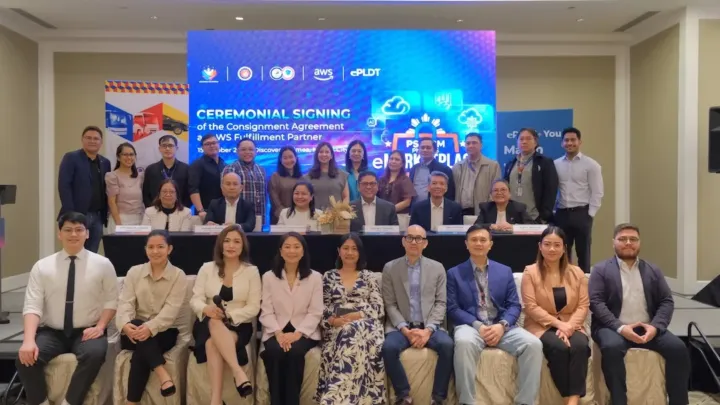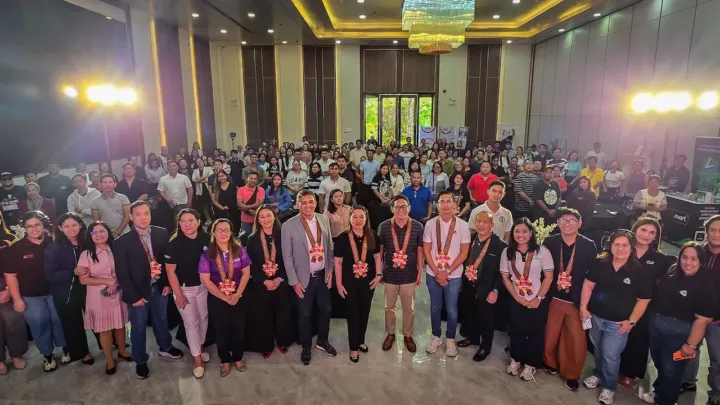
PLDT Inc. and Smart Communications Inc. have activated three mobile network sites in geographically isolated and disadvantaged areas (GIDA) in Cebu, Bukidnon and Cotabato, in a joint initiative with the Department of Information and Communications Technology (DICT) and local government units to expand connectivity in underserved communities.
The new sites cover Barangay Cansuje in Argao, Cebu; Barangay Cacaon in Talakag, Bukidnon; and Barangay Lampayan in Matalam, Cotabato. Ceremonial switch-on activities were held on Oct. 12, Oct. 26 and Oct. 28, respectively, in 2026.
The rollout is intended to improve access to mobile communications and digital services in areas where limited connectivity can constrain access to education, government services and economic opportunities.
Blums Pineda, PLDT and Smart senior vice president and head of enterprise business group, said expanding network access requires cooperation with government agencies and local communities.
“Connectivity can make a real difference in people’s lives, especially in communities where access has long been a challenge. For a student, it can mean more opportunities to learn. For a family, it means staying connected. And for local communities, it opens doors to essential services and new opportunities,” Pineda said.
He added that the companies are working with DICT, local governments and community partners to extend connectivity to more Filipinos.
SIM distribution complements network expansion
The project also incorporates the Bayanihan SIM Distribution Program, a partnership between PLDT-Smart and DICT supporting the Bayanihan SIM initiative of the Private Sector Advisory Council (PSAC) and the government agency.
The program aims to provide residents, students and other community members with access to digital platforms, government services and online opportunities through mobile connectivity.
Engr. Pinky T. Jimenez, DICT assistant secretary for infostructure management, said extending connectivity to underserved communities should go beyond network deployment.
“Bridging the digital divide means ensuring that Filipinos, wherever they live, have the opportunity to benefit from technology,” Jimenez said.
She added that the collaboration seeks to help residents, students and families use digital services for education, government transactions and livelihood opportunities.
Schools included in connectivity initiative
The rollout also incorporates PLDT and Smart’s School-in-a-Bag program, which provides technology-enabled learning tools and digital resources to underserved schools.
The companies identified Cansuje Elementary School in Cebu, Cacaon Elementary School in Bukidnon and Lampayan Elementary School in Cotabato as recipients of planned School-in-a-Bag donations.
The program is intended to provide teachers and students with additional resources for digital learning and skills development, complementing the expanded mobile network coverage in their communities.
The initiative combines infrastructure deployment with access to SIM cards and educational technology, addressing different aspects of digital inclusion.
For PLDT Enterprise, the project forms part of its public-sector engagement strategy, providing connectivity and information and communications technology solutions to government institutions and local communities.
The three-site rollout illustrates the role of partnerships between telecommunications operators, government agencies and local authorities in extending network coverage beyond major population centers. The announcement, however, did not disclose the number of residents expected to benefit, the technical specifications of the cell sites or their coverage and capacity figures.